
Last updated October 16, 2026
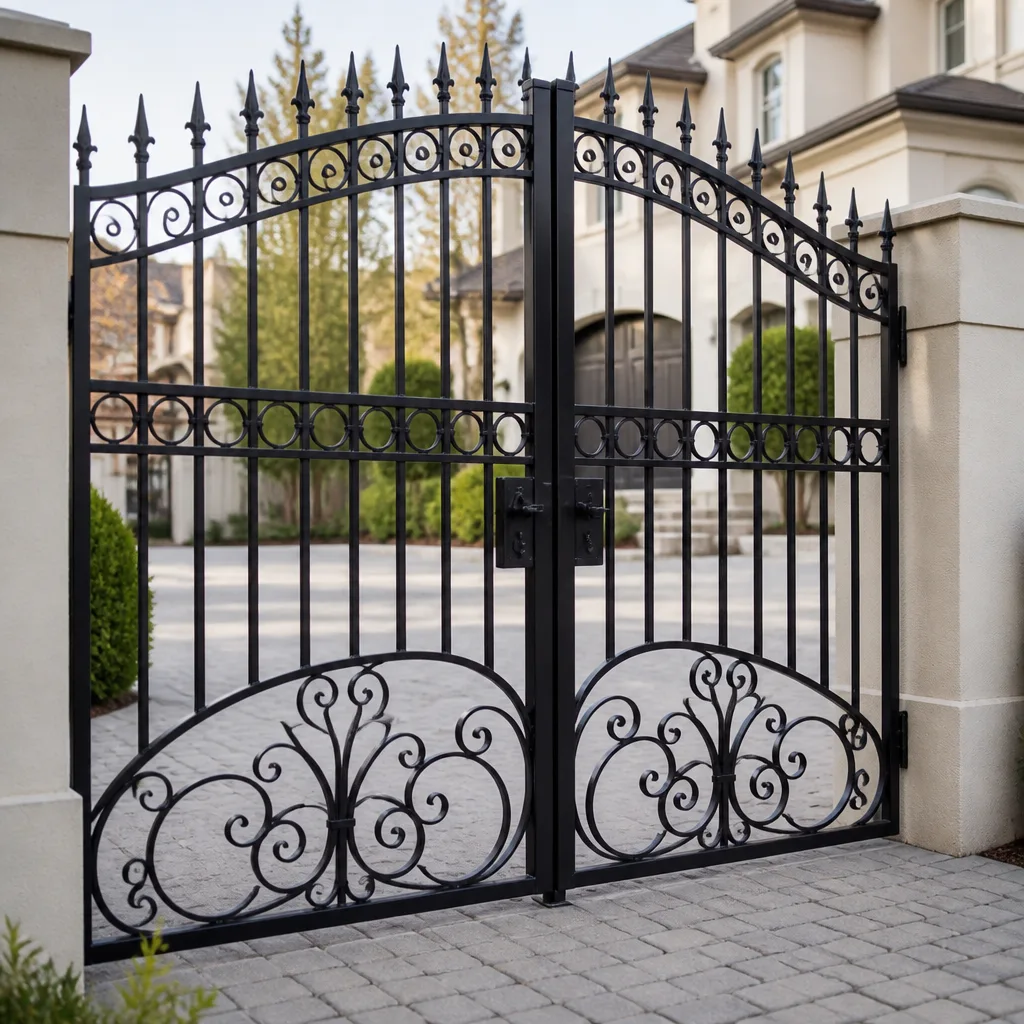 Wrought iron
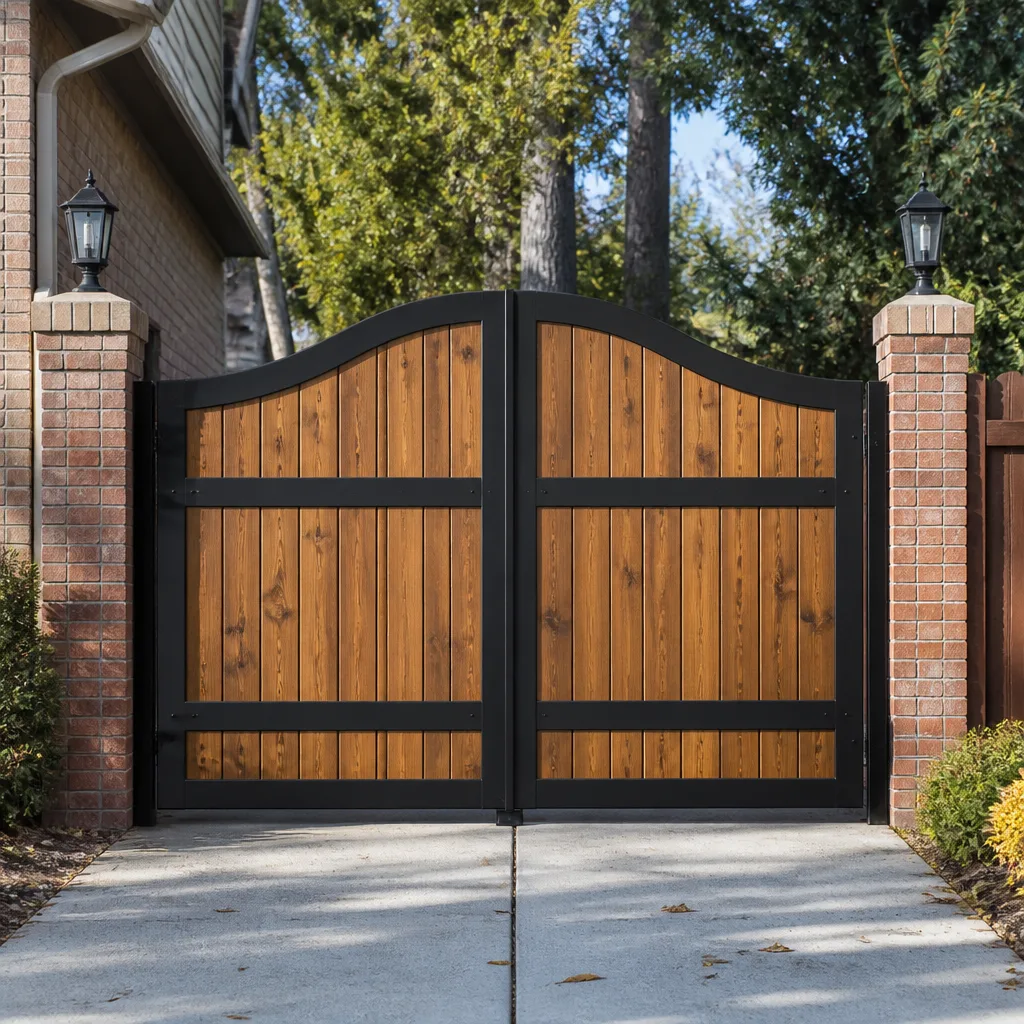 Wood & steel frame
 Farm & ranch
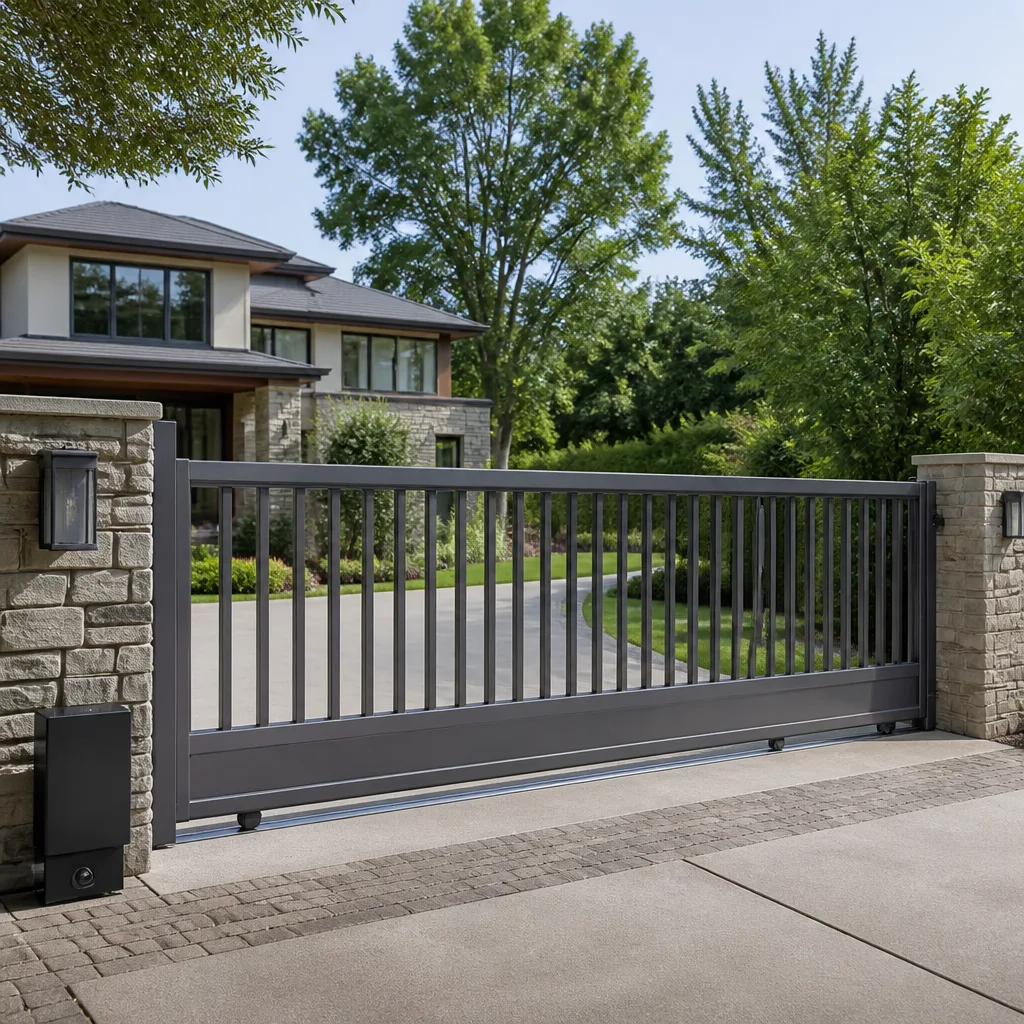 Sliding driveway gates
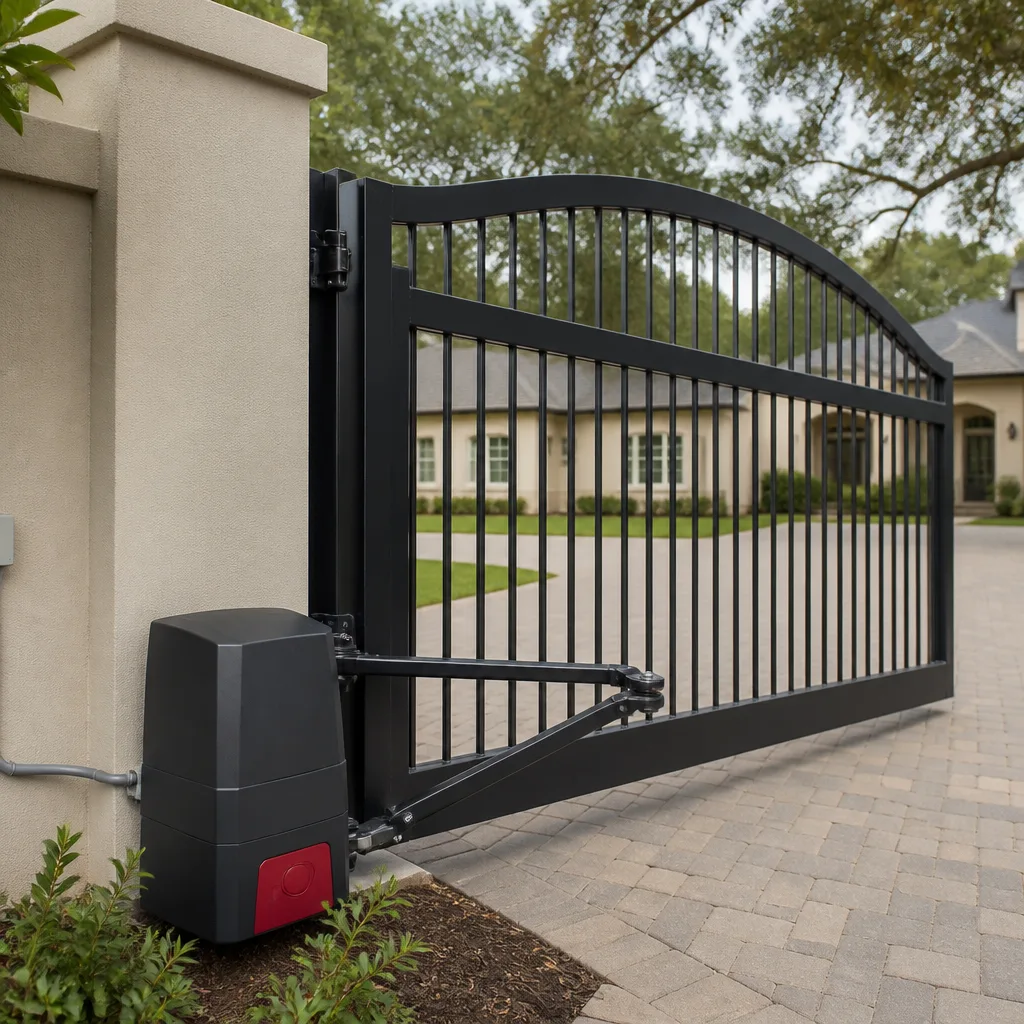 LiftMaster operators
Free on-site gate assessment - hinges, posts, and your LiftMaster or Nice gate operator checked before anything is quoted
The assessment is free and the quote is the invoice.
Get your free estimateThe Complete Guide to Gate Repair in Fort Lauderdale
Fort Lauderdale sits within two miles of the Atlantic for much of its coastline. That proximity is why a gate that would run trouble-free for a decade in Orlando needs its first repair here within two or three years. Salt air measurably accelerates metal oxidation on gate hardware within 18 months of installation, yet almost no national repair guides account for that. This guide covers what actually fails on Fort Lauderdale gates, why it fails faster here than almost anywhere else in Florida, what repairs cost, and how to make a gate last. You’ll learn how to spot corrosion before it locks your gate shut, which opener brands hold up in South Florida humidity, and what a legitimate repair visit should include.
Quick Answer
Gate repair in Fort Lauderdale typically costs between $180 and $850 depending on whether the problem is a hinge, a wheel, a control board, or a full motor replacement. The most common cause of failure in this city is salt-air corrosion on hinges, rollers, and circuit boards, not mechanical wear. Most repairs are completed the same day once the technician diagnoses the problem, and any quote should include a written price before work begins.
Styles & brands we work with
Table of Contents
- Why Fort Lauderdale Gates Fail Faster Than Anywhere Else in Florida
- Swing Gates vs. Sliding Gates in Flood-Prone Neighborhoods
- Which Opener Brands Hold Up Best in South Florida Humidity
- Why Every Fort Lauderdale Repair Quote Should Include a Corrosion Inspection
- How to Verify a Technician’s Florida License Before Anyone Touches Your Gate
- What Gate Repairs Cost in Fort Lauderdale
- What You Can Safely Check Yourself vs. What Needs a Professional
- Common Mistakes to Avoid
Why Fort Lauderdale Gates Fail Faster Than Anywhere Else in Florida
The salt is the story. Fort Lauderdale’s prevailing easterly winds carry Atlantic spray inland across the barrier island and into neighborhoods like Rio Vista, Victoria Park, and Coral Ridge. That airborne salt settles on every exposed metal surface of a gate: the hinge pins, the roller bearings, the limit switches, the wire terminals inside the control box. Salt attracts moisture, moisture enables electrolysis, and electrolysis eats metal. A galvanized steel hinge that looks new at installation can show white oxidation blooms within a year and structural pitting within two. We’ve replaced five-year-old hinges in Las Olas Isles that were more corroded than fifteen-year-old hinges we’ve seen inland.
Humidity compounds the salt problem. Fort Lauderdale averages over 75 percent relative humidity year-round, and that moisture never really leaves the inside of a control box. Circuit boards develop a fine layer of condensation during overnight temperature swings. Solder joints oxidize. Relay contacts develop resistance. Symptoms start as intermittent: a gate that stops halfway, a remote that works only sometimes, a motor that hums but doesn’t move. By the time the failure is constant, the corrosion has usually spread across multiple components.
Hurricane season adds one more variable that mainland guides miss. June through November storms drive wind-driven rain horizontally into gate mechanisms. Even a Category 1 storm can force water past weather seals and into the motor housing or the control board enclosure. If the gate survives the storm but isn’t inspected afterward, that trapped water becomes a slow corrosion engine. In neighborhoods east of US-1, gates get hit harder because the rain arrives with salt already in it.
Swing Gates vs. Sliding Gates in Flood-Prone Neighborhoods
Fort Lauderdale’s drainage realities determine which gate type fails first. A swing gate and a sliding gate respond to flooding in fundamentally different ways, and homeowners in low-elevation neighborhoods like Shady Banks, Melrose Park, and Edgewood need to know the difference.
A swing gate pivots on two or more hinges mounted to a post or column. The critical hardware sits above ground level, usually 12 to 18 inches up the post. That means a swing gate tolerates standing water fairly well, as long as the water doesn’t reach the motor. The gate itself may sit in an inch or two of runoff during a summer downpour and suffer no immediate harm. What fails on swing gates in Fort Lauderdale is the hinge hardware: the salt-air corrosion eats the pivot pins, the gate sags, and the motor starts working against a misaligned load. Over a year or two, that constant strain burns out the operator motor prematurely.
A sliding gate rides on a track at ground level or on a cantilevered rail system above ground. In low-lying Fort Lauderdale neighborhoods where street drainage backs up during heavy rain, the ground track sits in water. Debris, silt, and salt residue accumulate in the track. The wheels or rollers bind. The motor draws more current to move the gate, eventually tripping overloads or failing entirely. Sliding gates also accumulate corrosion inside the rail assembly because the rail sits at exactly the height where salt spray deposits most heavily.
For flood-prone properties, the practical guidance is this: if a property has documented standing water after heavy rain, a swing gate is usually the lower-maintenance choice. If a sliding gate is already installed, schedule an annual track and wheel inspection before hurricane season. The cost of that inspection, typically under $200, prevents motor replacements that run $600 to $1,200.
Which Opener Brands Hold Up Best in South Florida Humidity
Some gate opener brands handle coastal Florida better than others, and the difference comes down to how they seal circuit boards and how they coat metal components. We service nine major brands at Warden Gate Repair: LiftMaster, FAAC, BFT, Linear, Viking, Ghost Controls, DoorKing, Elite, and Mighty Mule. Here’s what we see in the field in Fort Lauderdale specifically.
LiftMaster operators, especially the residential swing and slide models, use conformal-coated circuit boards that resist humidity reasonably well. The weak points we see are the limit switch assemblies and the plastic gears in certain models. With regular maintenance, a LiftMaster in Fort Lauderdale can run 7 to 10 years before a major repair. Without maintenance near the beach, 3 to 5 years is more realistic.
Viking and DoorKing build industrial-grade operators that survive coastal conditions better than most residential equipment. Both use heavy-gauge steel enclosures and sealed control compartments. The tradeoff is cost and size: a Viking replacement part costs more, but it fails less often. For oceanfront properties in Harbor Beach or along the Galt Ocean Mile, Viking and DoorKing are the two brands we recommend most often. Elites and Mighty Mule units are value-priced residential openers that work acceptably a few miles inland, but near the coast they tend to fail earlier because of lighter board sealing and thinner housing metal. Ghost Controls makes dependable residential slide operators with good board protection, though the plastic housing components age faster in direct salt exposure.
Why Every Fort Lauderdale Repair Quote Should Include a Corrosion Inspection
Most gate repair calls start with a symptom: the gate won’t open, a remote stopped working, the motor makes noise but nothing moves. A technician who only fixes the presenting symptom is doing half the job. In Fort Lauderdale, the symptom is usually the latest chapter of a corrosion story that started months earlier. That’s why a legitimate repair quote should always include a corrosion inspection of the entire gate system, not just the part that broke.
A proper corrosion inspection covers five areas:
- Hinges and pivot points – checking for oxidation, pitting, and play that indicates worn metal.
- Rollers, wheels, and track – looking for salt buildup, pitting, and binding that strains the motor.
- Control board and wiring – opening the enclosure to inspect terminal corrosion, swollen capacitors, and oxidized solder joints.
- Motor housing seals – verifying the weather gaskets are intact and haven’t been dried out by salt and sun.
- Grounding and electrical connections – testing for resistance caused by corroded connections, which is common within two miles of the ocean.
A written quote that includes these inspection points tells you the technician understands coastal gates, not just gates in general. It also prevents the frustrating pattern of fixing one symptom only to have a different one appear three weeks later. The 365-Day Done Right Promise from Warden Gate Repair exists precisely for this reason: if the repair isn’t right, we make it right, with a free second visit included in every job. But the best repair is the one that addresses the whole system the first time.
How to Verify a Technician’s Florida License Before Anyone Touches Your Gate
In Florida, gate and access system work falls under electrical contractor licensing when it involves wiring, motors, or control boards. The Florida Department of Business and Professional Regulation, known as the DBPR, maintains a public license lookup. Before any technician works on your gate in Fort Lauderdale, you can verify their license yourself in under five minutes.
Here’s the step-by-step process:
- Go to the DBPR website and select “Verify a License.”
- Enter the company name or the individual technician’s name.
- Confirm the license type matches the work being done: electrical contractor (EC), alarm contractor (EF), or certified electrical specialty, depending on the scope.
- Check the license status: it must say “Current, Active” – not “Suspended” or “Delinquent.”
- Verify the license hasn’t had disciplinary actions filed, which are listed on the same page.
If a company refuses to provide a license number before scheduling, or if the number doesn’t check out, that’s a stop sign. Legitimate gate repair companies in Broward County expect to be verified and often include license information on their vehicles and invoices. Warden Gate Repair operates under the Threshold Standard: every technician is background-checked, identity-verified, photo-badged, and sent to you by name and photo before arrival. We believe you should know exactly who is coming to your door before the visit, and a valid state license is part of that standard.
What Gate Repairs Cost in Fort Lauderdale
Gate repair pricing in Fort Lauderdale tracks the local market and the coastal conditions. You’ll pay slightly more here than in inland Florida cities because the labor pool is specialized and the work often includes corrosion remediation. The table below reflects what we see across the Fort Lauderdale metro area, from Lauderdale-by-the-Sea to Plantation.
| Repair Type | Typical Range | What Affects the Price |
|---|---|---|
| Hinge replacement (pair) | $180 – $420 | Gate weight, post material, corrosion severity |
| Roller or wheel replacement | $150 – $350 | Track condition, gate size |
| Control board replacement | $250 – $650 | Brand, board revision, programming |
| Limit switch or sensor repair | $120 – $280 | Accessibility, wiring condition |
| Gate motor replacement | $500 – $1,200 | Brand, horsepower, mounting type |
| Full corrosion inspection | $95 – $195 | Gate size, system complexity |
| Track cleaning and realignment | $150 – $320 | Track length, damage severity |
These are the prices you agree to before any work starts. A written price is non-negotiable at Warden Gate Repair: we don’t quote by phone and then surprise you at the door. The price you’re given, in writing, is the price you pay. If a repair quote in Fort Lauderdale doesn’t include a corrosion check on the rest of the gate, ask for one. It’s the difference between a $200 hinge fix and a $600 control board failure three months later.
For a full breakdown of repair costs in the area, see our Gate Repair in Fort Lauderdale page.
What You Can Safely Check Yourself vs. What Needs a Professional
Some gate maintenance is safe for a homeowner. Some is genuinely dangerous and requires a trained professional. See our DIY vs Professional Gate Repair: The Fort Lauderdale Homeowner’s Decision Guide for help deciding. Knowing the line is important because gates are heavy, under spring or motor tension, and connected to electricity.
Safe to check yourself:
- Visual inspection of hinges, rollers, and track for rust or pitting.
- Listening for grinding, squealing, or clicking sounds that indicate wear.
- Checking that the photo-eye safety sensors are clean and aligned.
- Keeping the track free of leaves, sand, and salt residue with a rinse.
- Watching whether the gate closes fully and evenly or stops short.
Leave to a professional:
- Any repair involving the torsion spring or tension spring on a swing gate.
- Opening the control box to inspect or replace a circuit board.
- Rewiring any component connected to line voltage.
- Replacing or adjusting a gate motor.
- Any repair where the gate must be lifted off its hinges or removed from its track.
A gate under spring tension stores enough energy to cause serious injury if released incorrectly. A gate motor connected to live voltage can shock you even when the gate isn’t moving. If the gate isn’t working and you’re not sure what’s wrong, call someone who does this work daily. Warden Gate Repair Fort Lauderdale offers free estimates, and calls are answered by a live person 24/7.
Common Mistakes to Avoid
- Ignoring slow operation. A gate that opens slower than it used to is telling you something. The motor is working harder, or the track is binding, or a hinge is seizing. In Fort Lauderdale’s salt air, that slow operation accelerates into failure within weeks, not months.
- Lubricating without cleaning first. Spraying oil or grease over salty, gritty hardware traps the corrosive particles against the metal. Clean the component first, then lubricate. Or skip it and let a professional do it right.
- Buying the cheapest opener online. A budget opener designed for mild climates won’t survive two summers of Fort Lauderdale humidity and salt exposure. You’ll replace it twice before a coastal-rated opener needs its first repair.
- Replacing a motor without inspecting the rest of the gate. If the hinges were binding, the new motor inherits the same strain and fails early. A repair that doesn’t address the cause is a pre-paid second service call.
- Skipping post-storm inspections. After a hurricane or tropical storm, trapped water sits inside motor housings and control boxes. Without an inspection, that water starts a corrosion cycle you won’t notice until the gate quits.
- Hiring by price alone. A Fort Lauderdale gate quote that’s dramatically cheaper than everyone else is usually leaving something out: the corrosion inspection, the license, the warranty, or all three.
- Not asking who’s coming. Anyone who sends a technician to your home should tell you the name and provide a photo before arrival. If a company can’t, find one that can.
When to Call a Professional
You don’t need to know what’s wrong with your gate before calling. You need to know when the problem is beyond a visual check. If your gate won’t move at all, if it opens halfway and stops, if the motor hums but nothing happens, or if you see visible corrosion on the hinges or track, it’s time to call. If the gate operated through a storm and has been acting differently since, call sooner rather than later; trapped salt water works fast once it’s inside a housing. If you hear grinding or see the gate sagging, those are mechanical failures that self-aggravate. Warden Gate Repair Fort Lauderdale offers free estimates in Fort Lauderdale – call (754) 354-9065 and a live person will answer.
See the difference
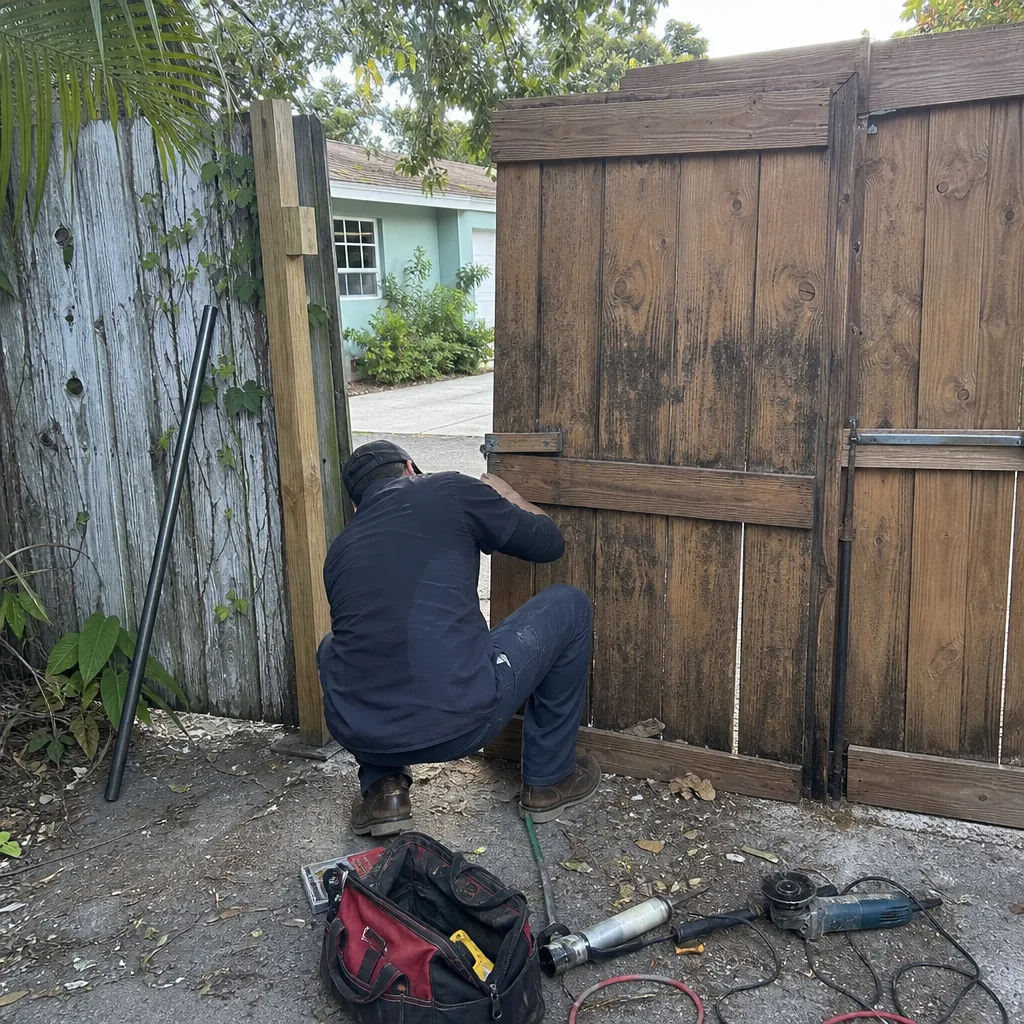 Before
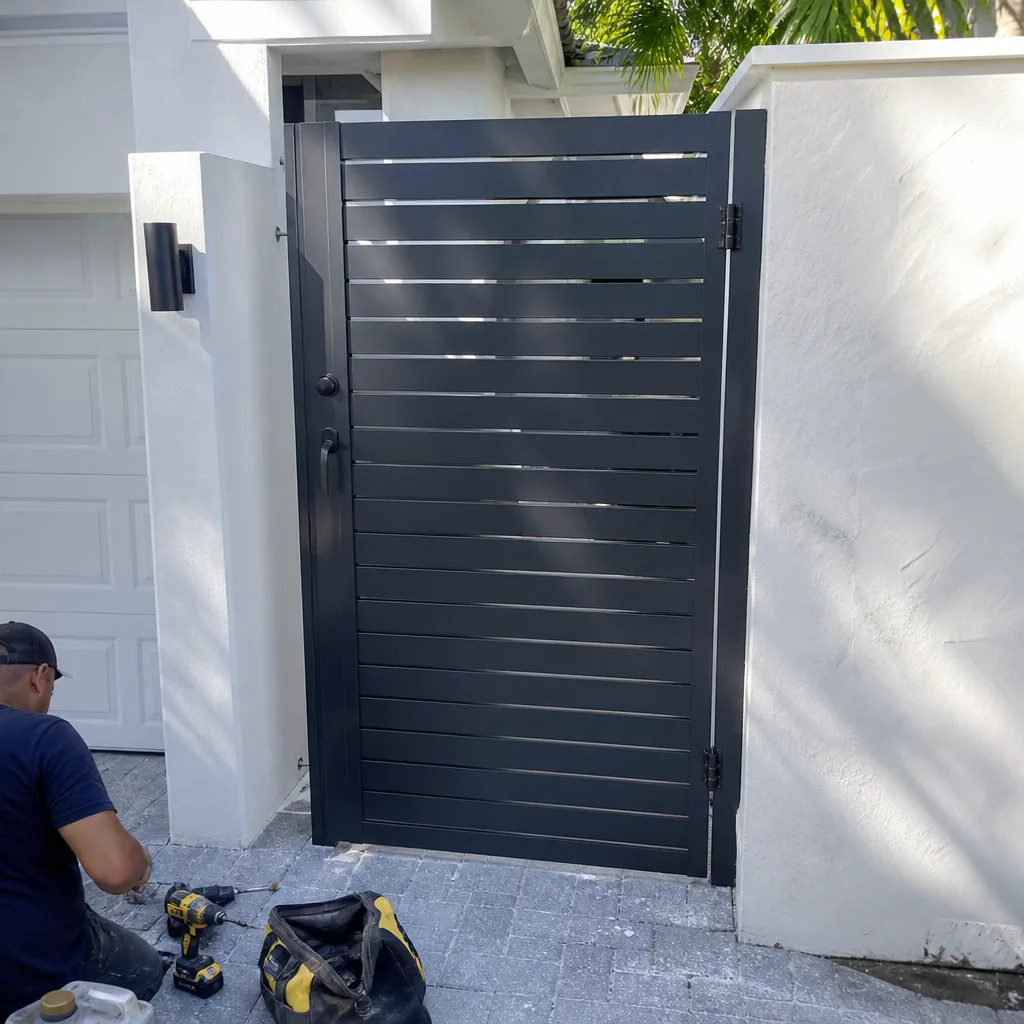 After
After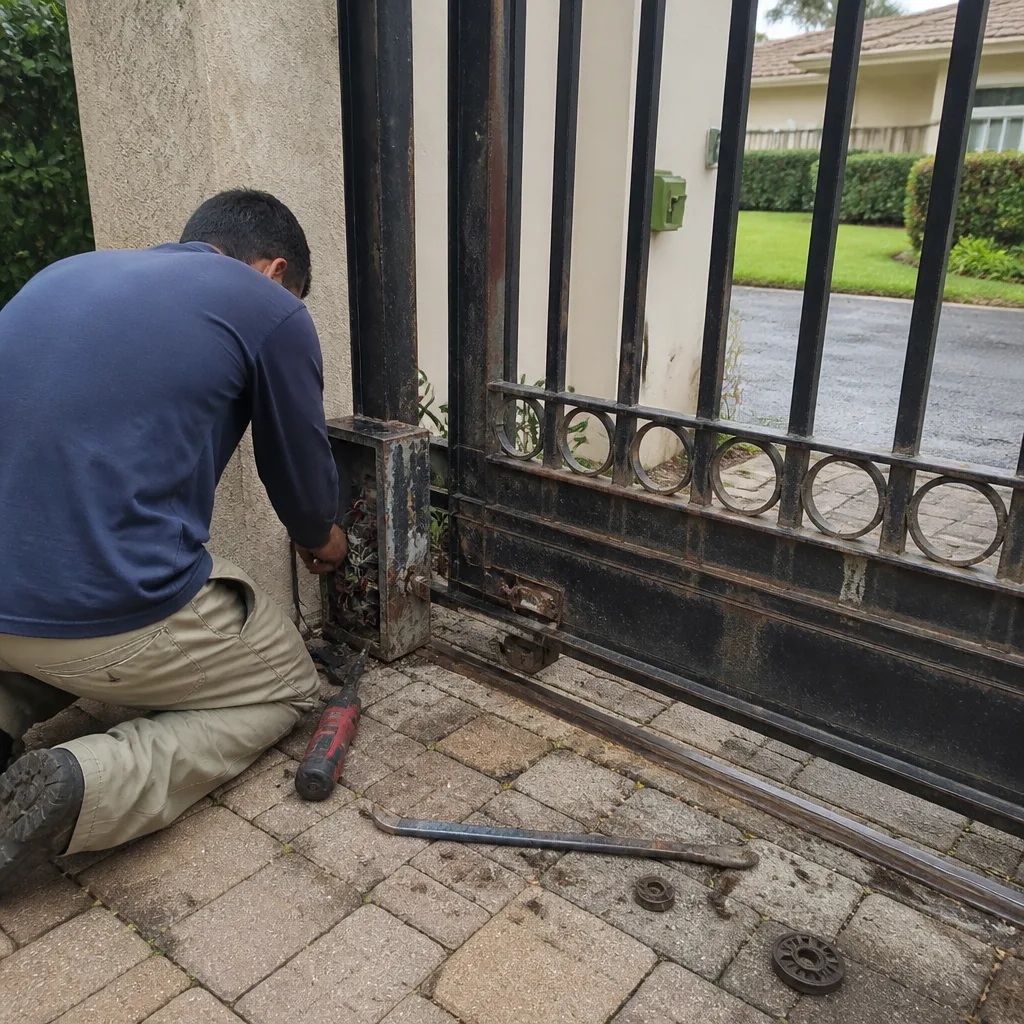 Before
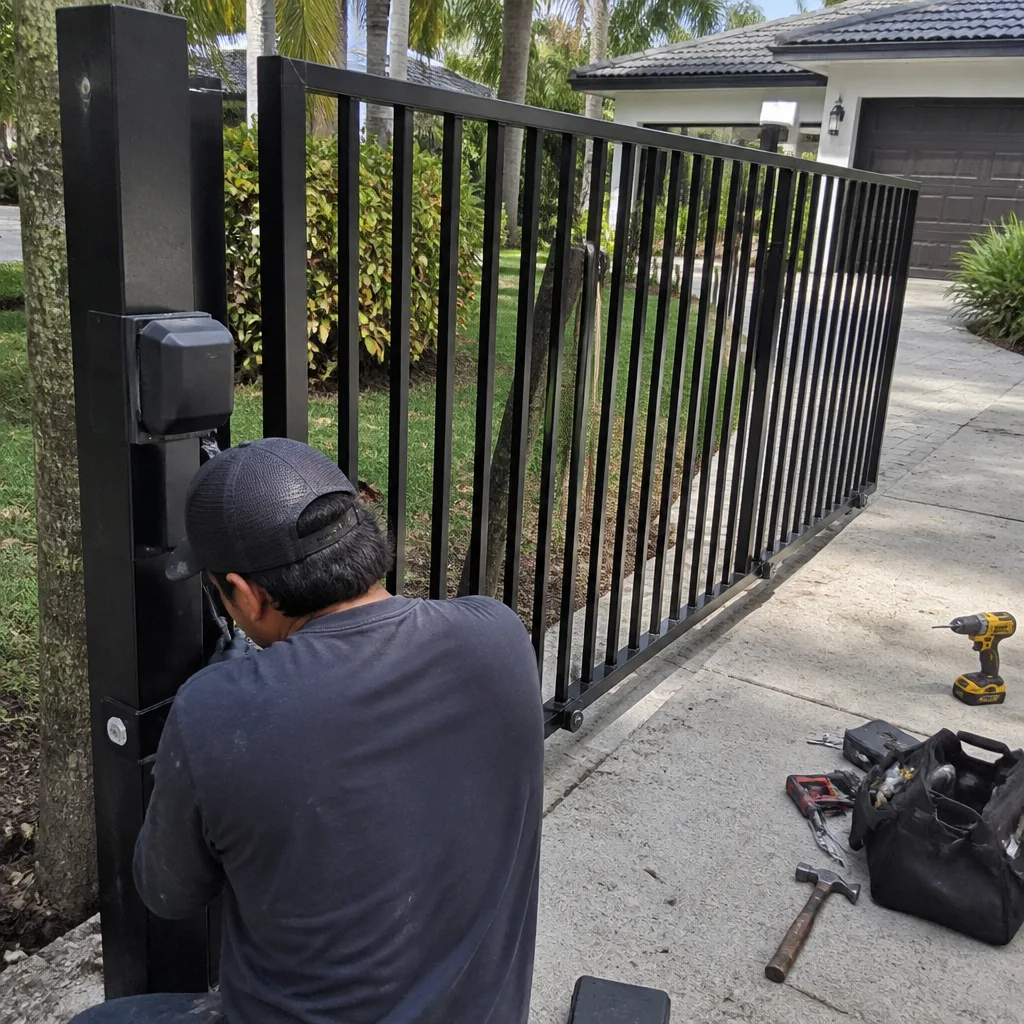 After
After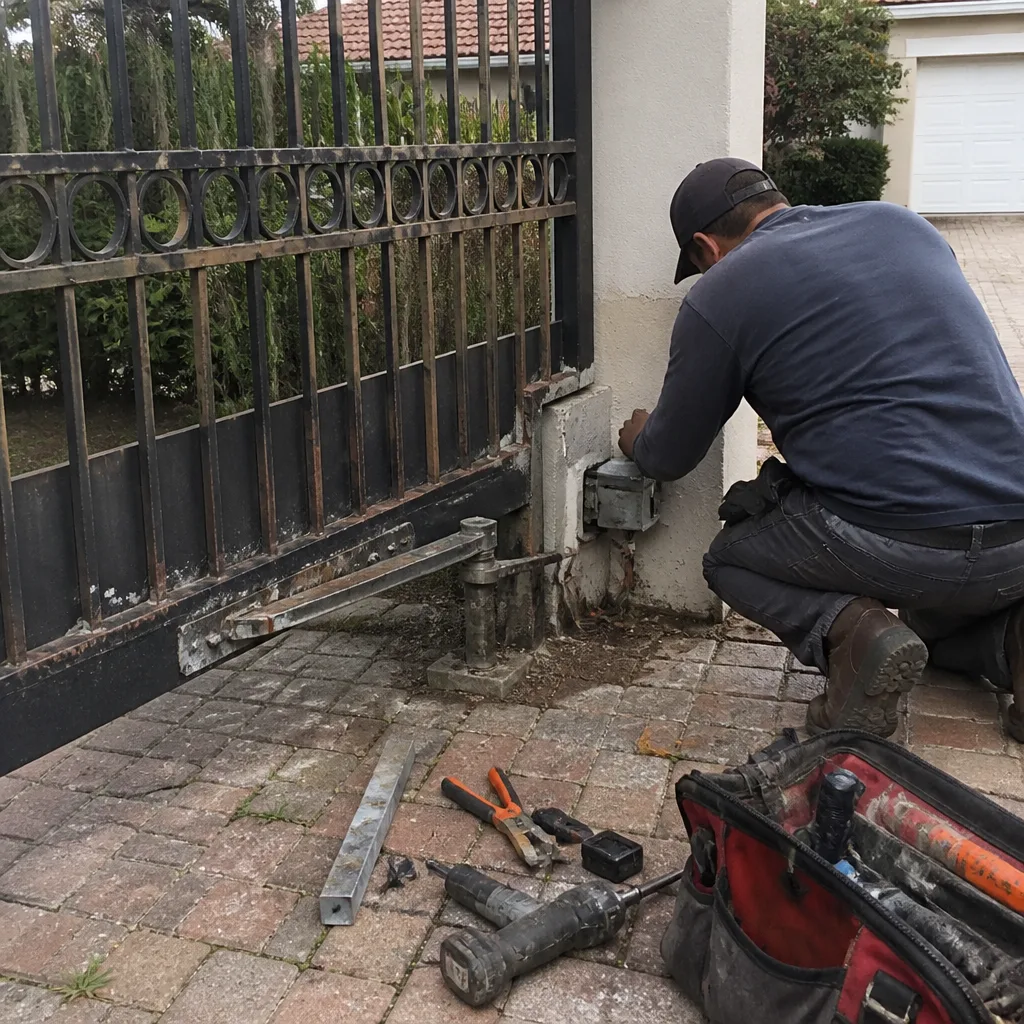 Before
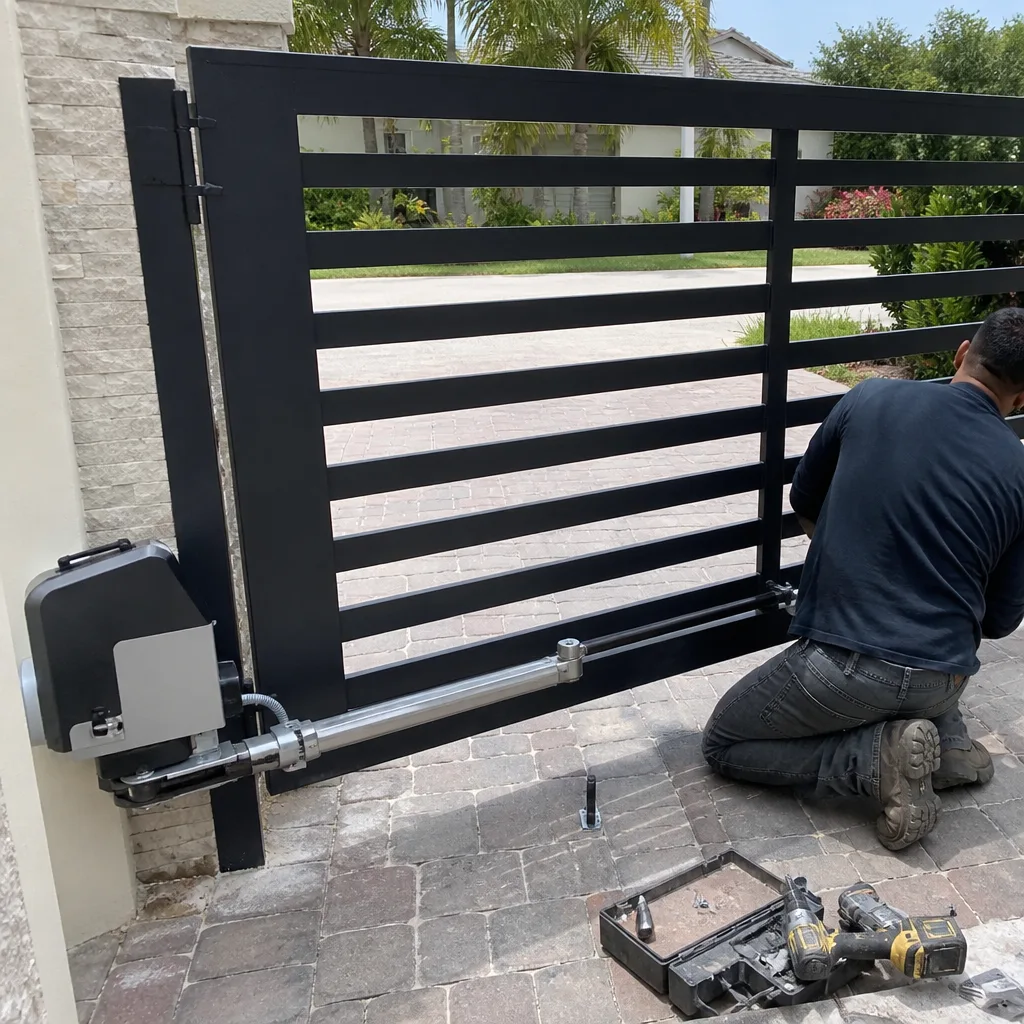 After
AfterFrequently Asked Questions
Most gate repairs in Fort Lauderdale run between $180 and $850, with hinge replacements on the lower end and motor replacements on the higher end at $500 to $1,200. Coastal corrosion often adds inspection and remediation time to the base repair. Call (754) 354-9065 for a free written estimate.
In most cases, yes. Common repairs like hinge replacements, sensor fixes, and track realignments are completed on the first visit. If a specific part, such as a control board for an older brand, has to be ordered, we’ll tell you that up front. Warden Gate Repair maintains a local parts inventory for major brands including LiftMaster, Viking, DoorKing, and Gate Motor Repair in Fort Lauderdale calls.
Look for white or green powdery buildup on metal surfaces, flaking paint on hinges or brackets, and rust on roller bearings or track edges. Those are the signature signs of salt-air corrosion, and they’re far more visible on gates east of US-1 in Fort Lauderdale than on properties further inland.
Every Warden Gate Repair job includes a written guarantee. If the repair isn’t right within 365 days, we return and make it right at no charge. The free second visit is included in every job, not an add-on. You never pay twice for the same repair.
Yes. We repair both types across Fort Lauderdale, including Electric Gate Repair in Fort Lauderdale for motor and wiring issues. Swing gates are more common on residential properties, while sliding gates appear on many larger lots and commercial entries. Both require different diagnostic approaches in flood-prone areas, which our technicians account for on every visit.
A noisy gate is a gate that’s wearing. Squealing usually means metal-on-metal contact at a pivot point, and grinding often indicates a roller or track issue. Continuing to operate it makes the repair more expensive. If it’s noise alone with no functional change, have it inspected before it turns into a no-open situation.
The Bottom Line
Fort Lauderdale gates don’t fail the way gates fail anywhere else. Salt air, humidity, flooding, and hurricane-driven rain create a failure profile that is predictable but unforgiving. The hinge that looks fine today is probably corroding from the inside. The opener that works this week may be three months from a control board failure. The fix is not to wait for the breakdown; it’s to inspect early, repair the whole system when one part fails, and work with a company that understands coastal gates specifically. A written price, a name and photo before the visit, and a 365-day written guarantee are what a legitimate Fort Lauderdale gate repair should include.
If your gate is acting up, call Warden Gate Repair at (754) 354-9065. We’ll talk through what’s happening, give you a free estimate, and send a technician you’ll know by name before they arrive.
Written by Cole Rafferty, Owner at Warden Gate Repair Fort Lauderdale, serving Fort Lauderdale since 2008.