
Last updated October 16, 2026
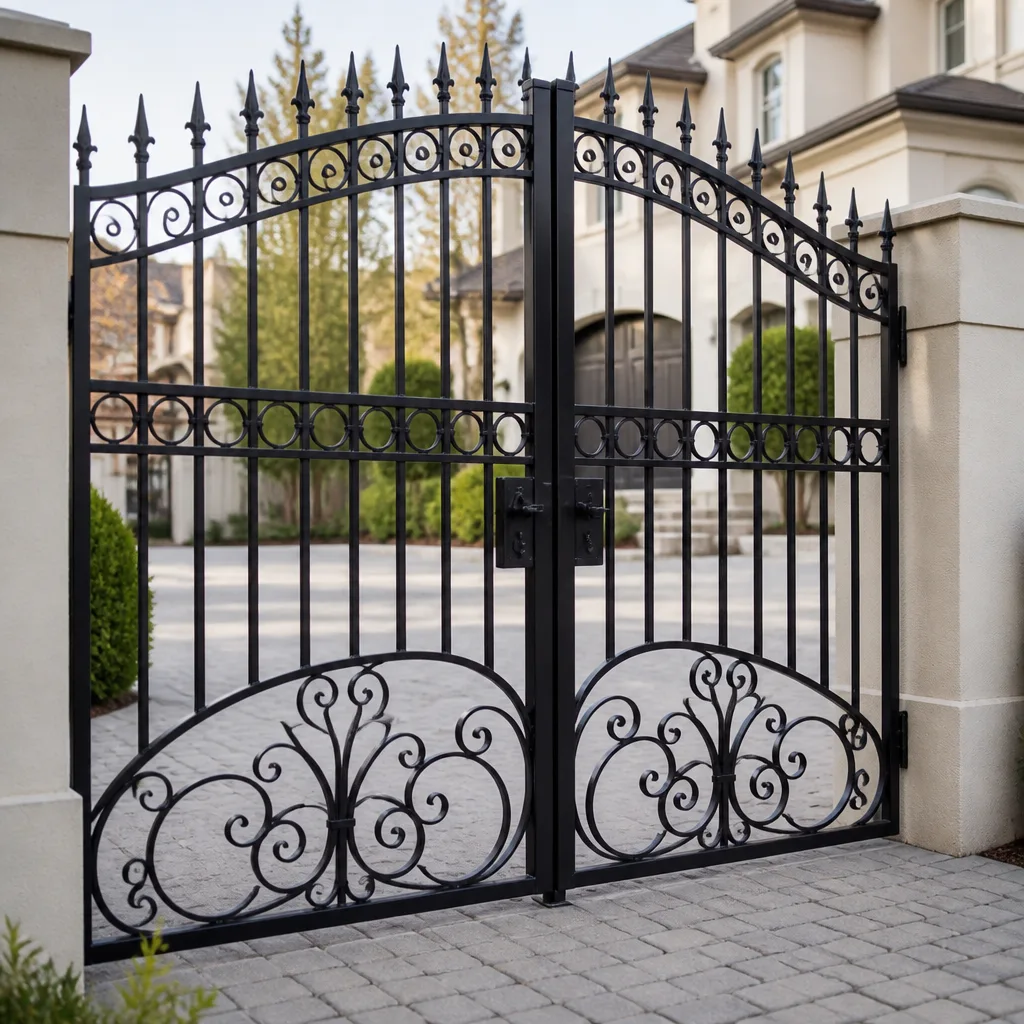 Wrought iron
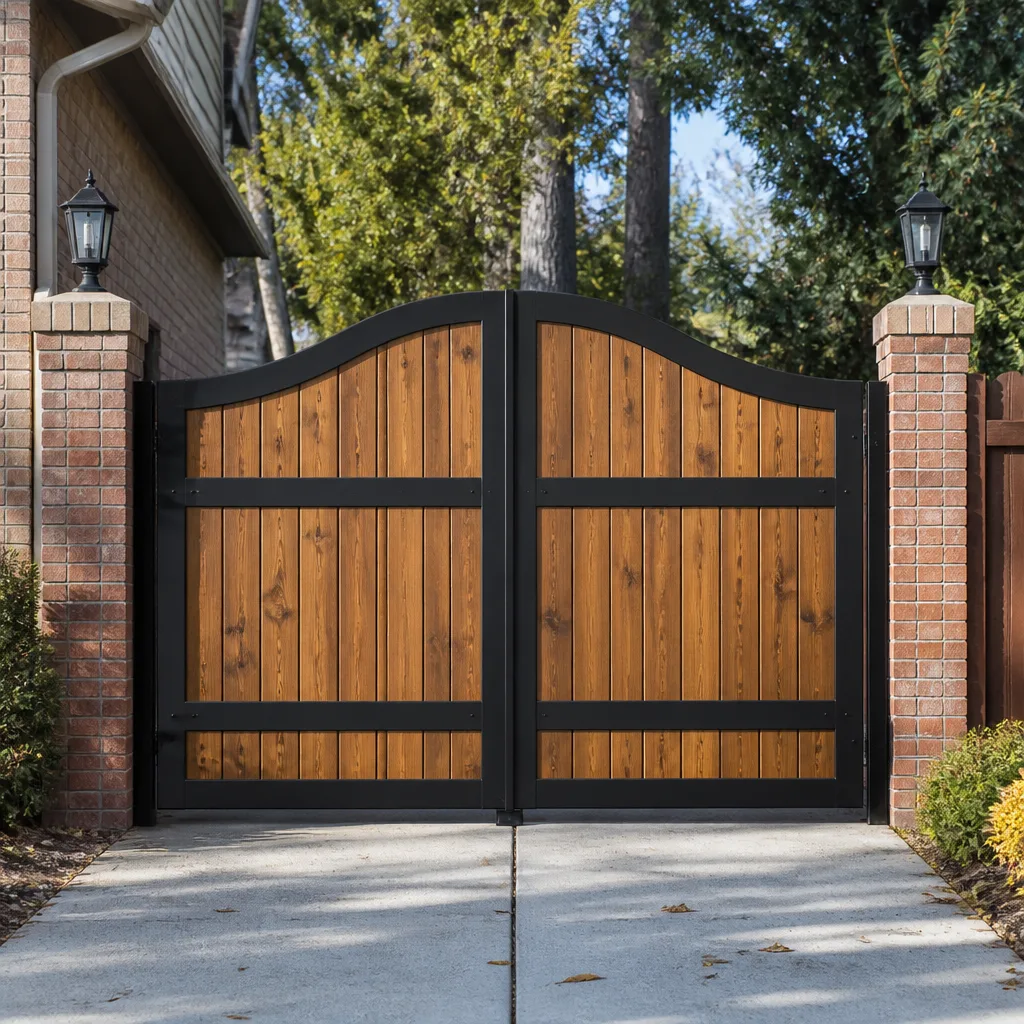 Wood & steel frame
 Farm & ranch
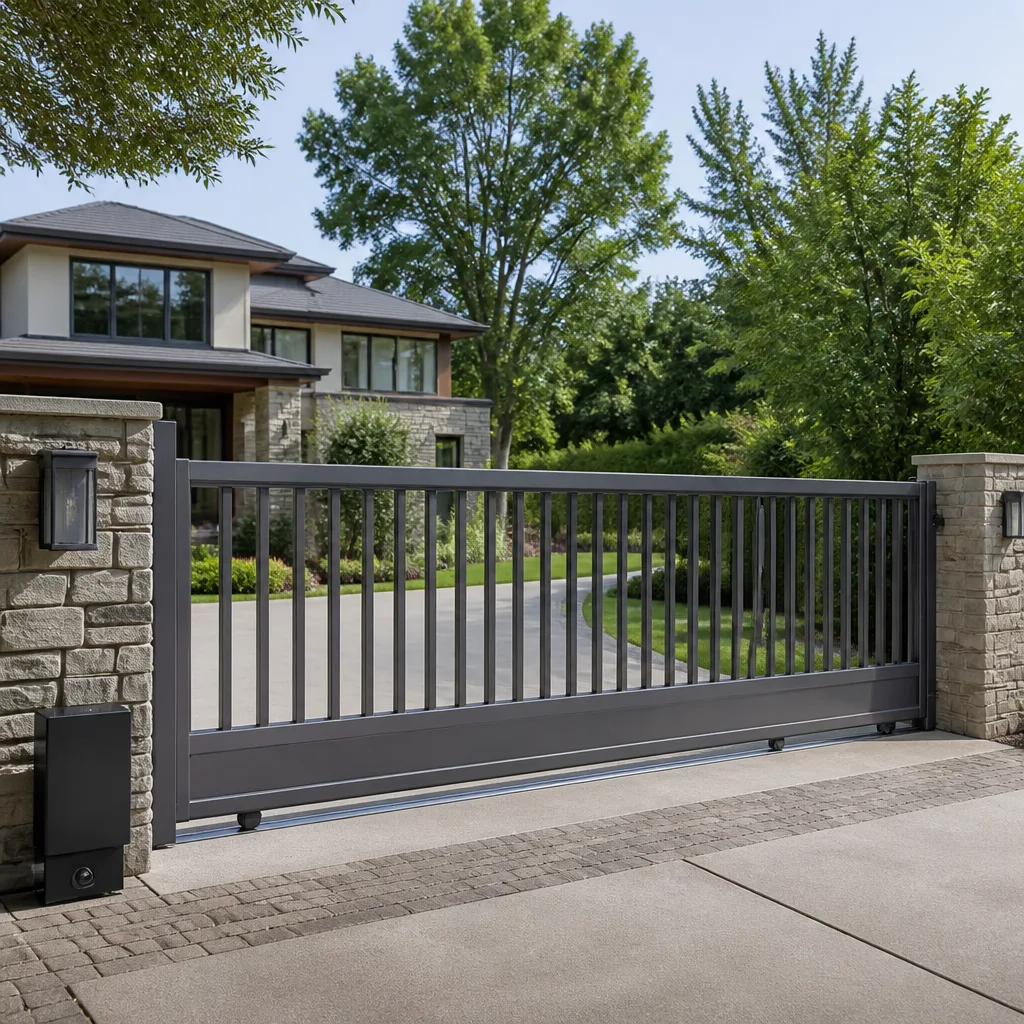 Sliding driveway gates
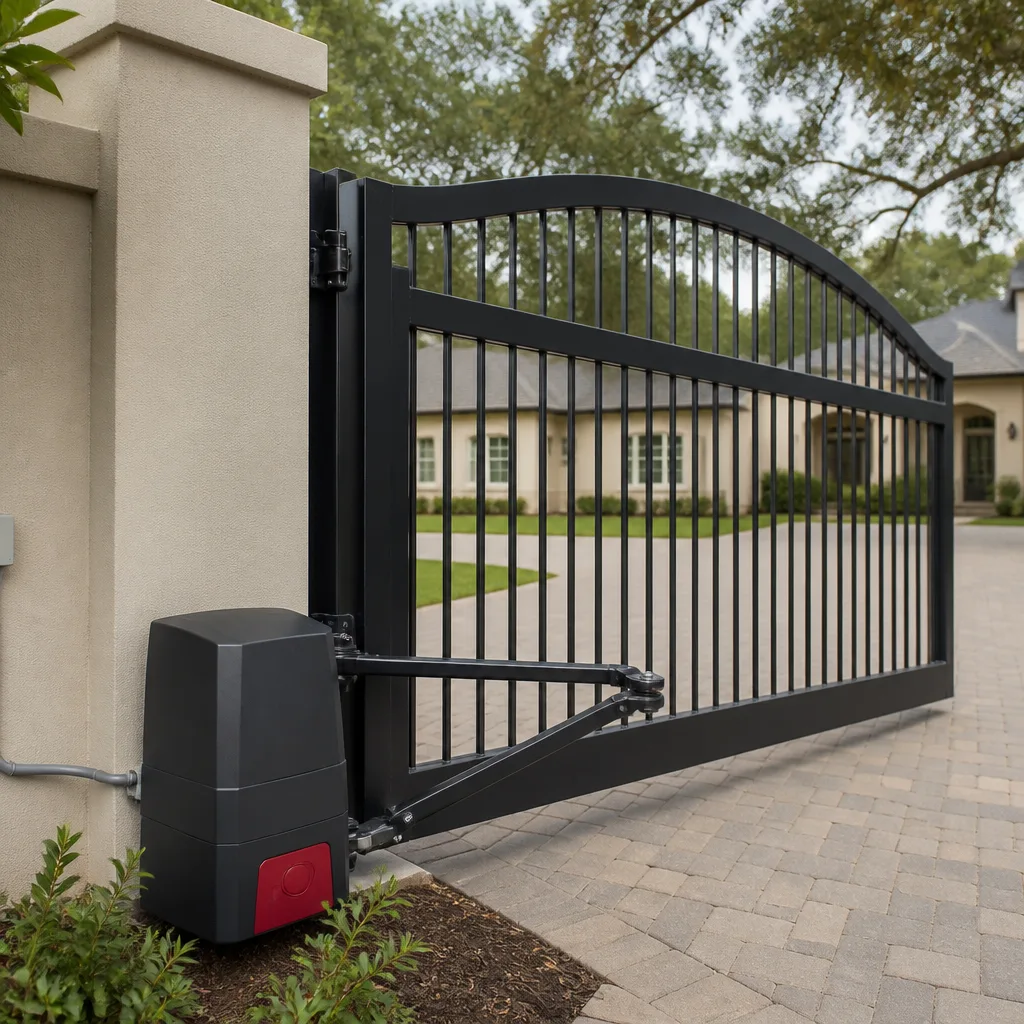 LiftMaster operators
Free on-site gate assessment - hinges, posts, and your LiftMaster or Nice gate operator checked before anything is quoted
The assessment is free and the quote is the invoice.
Get your free estimateGate Repair Warning Signs: A Fort Lauderdale Homeowner’s Reference Guide
The most predictive warning sign of a total gate failure isn’t a loud grinding noise. It’s a gate that reverses direction once, unprompted, on a Tuesday morning, and then works perfectly for three more weeks before failing completely. Fort Lauderdale homeowners who learn to read those quiet, intermittent signals are the ones who catch a $300 sensor fix before it becomes a $2,400 motor replacement. This guide walks through every warning sign we’ve seen in our 17 years of gate repair in Fort Lauderdale, what each one means, and which ones demand immediate attention.
Quick Answer
Gate repair warning signs in Fort Lauderdale fall into five categories: the gate reverses without command, the gate moves slower than it used to, the motor hums but nothing moves, you hear new noises (squealing, grinding, clicking), or the gate sits visibly off-level. Any one of these means the gate is telling you something. In Fort Lauderdale’s salt air and low-elevation terrain, the most common culprits are photo-eye misalignment from afternoon sun, corrosion on hinge posts, and control board failure from humidity and power surges.
Styles & brands we work with
Table of Contents
- The Intermittent Symptoms: Control Board vs. Motor vs. Sensor Failure
- Why Your Gate Works in the Morning But Not at Night
- The Noise Taxonomy: What Squealing, Grinding, Clicking, and Humming Actually Mean
- Cosmetic Rust vs. Structural Corrosion: Knowing the Difference
- Ground Saturation and Gate Shift: A Fort Lauderdale Canal Problem
- A Gate That Moves Slower Than It Used To
- The Manual Release Test: Your 60-Second Diagnostic
- Power and Surge Damage: The Hidden Fort Lauderdale Threat
The Intermittent Symptoms: Control Board vs. Motor vs. Sensor Failure
Here’s the thing that catches most Fort Lauderdale homeowners off guard: three completely different failures produce nearly identical symptoms. Your gate stops mid-cycle. Then it works. Then it stops again. You rationalize it as a fluke. But the specific pattern of that “fluke” tells a trained technician exactly where the problem lives.
A control board failure is the most deceptive. The gate behaves erratically: it reverses for no reason, it ignores the remote, it opens but doesn’t close, or it cycles on its own at odd hours. Control boards in Fort Lauderdale fail at a higher rate than inland because our humidity accelerates corrosion on circuit traces and our summer lightning storms send surges through gate power lines. If your gate’s behavior is inconsistent in pattern, think control board.
A motor failure is more predictable. The gate groans, strains, or slows down before it stops. You’ll often notice the gate heats up near the motor housing. The pattern is progressive: each week it’s slightly harder for the gate to complete its cycle until one day it just hums and doesn’t move at all. Motor failure in Fort Lauderdale is often accelerated by salt air corrosion on the motor’s internal windings, especially on gates within a mile of the Intracoastal.
A sensor failure is the most intermittent of the three. When a photo-eye or edge sensor fails, the gate will reverse mid-cycle because it thinks something is in the way. It’ll work fine for days, then reverse three times in a row. The telltale sign: the gate always reverses at the same physical point in its travel. That’s a sensor issue, not a board or motor issue.
Here’s how to narrow it down on your own before you call:
- Watch the gate’s behavior over three consecutive cycles. Does it fail in the same spot each time? That’s a sensor or limit switch. Does it fail randomly? That’s a control board.
- Listen for strain. If the gate sounds labored right before it fails, that’s a motor or mechanical issue. If it fails silently, that’s electrical.
- Check the error code. Most gate motors from LiftMaster, FAAC, and BFT have a small LED that blinks a pattern. Count the blinks and check your manual. That blink code is the fastest path to a correct diagnosis.
We’ve repaired gates in Victoria Park, Rio Vista, and Lauderdale Harbours where homeowners had replaced batteries and remotes three times before discovering the real issue was a failing control board from a surge that happened months earlier.
Why Your Gate Works in the Morning But Not at Night
This is the most Fort Lauderdale-specific gate symptom there is, and almost no national guide covers it. If your electric gate opens fine at 9 a.m. but won’t close at 5 p.m., or reverses every evening around sunset, the problem is almost always photo-eye misalignment caused by the low afternoon sun angle hitting the receiver lens.
Here’s the mechanics of it. Your gate’s photo-eye system uses an invisible infrared beam between a transmitter and a receiver. When the beam is interrupted, the gate reverses because it assumes a child or car is in the path. The receiver lens can be washed out or “blinded” by direct sunlight at certain angles. In Fort Lauderdale, during fall and winter months especially, the afternoon sun sits low enough on the horizon that it shines directly into the receiver on west-facing gates. The result: your gate works perfectly all day, then starts misbehaving between roughly 3:30 and 6 p.m.
The same phenomenon occurs at sunrise for east-facing gates, though it’s less commonly reported because fewer people are opening gates before dawn.
What’s actually happening in the photo-eye that causes this:
- The receiver gets saturated by direct sunlight and can’t distinguish the infrared beam from ambient light
- The beam itself gets refracted slightly by heat shimmer rising off asphalt or pavers, especially on hot afternoons
- The photo-eye housings have expanded in the heat of the day and shifted the beam out of alignment just enough to matter
The fix is often simple: a sun shield or hood over the receiver, a slight adjustment to the photo-eye angle, or relocating the receiver to the shaded side of the driveway. But diagnosing it correctly requires knowing Fort Lauderdale’s sun path, which is exactly the local knowledge you get from a Fort Lauderdale electric gate repair technician rather than a generic tutorial. We see this pattern most often in neighborhoods like Shady Banks and Riverside Park, where mature tree canopy creates partial shade that shifts throughout the day and compounds the alignment issue.
The Noise Taxonomy: What Squealing, Grinding, Clicking, and Humming Actually Mean
Your gate talks to you long before it fails. The problem is that most homeowners don’t know the dialect. Here’s what each sound means in plain English.
Squealing or screeching is almost always a belt or chain issue on a sliding gate, or a bearing issue on a swing gate. Think of it like a car squealing when the serpentine belt wears out. On LiftMaster and FAAC slide gates, the drive belt stretches over time and starts slipping against the pulley, producing a high-pitched squeal, especially in the first few seconds of movement. On swing gates, the hinge bearings dry out and squeal because the grease has broken down in the Fort Lauderdale heat. Left unaddressed, the squeal becomes a shriek and then the mechanism binds.
Grinding means metal on metal where there should be lubrication or clearance. On a sliding gate, grinding means the gate wheels or track are worn, or the gate frame is dragging on the ground because the post has shifted. On a swing gate, grinding usually means the hinge has started to fail or the gate is dragging on its mount. Grinding is the most urgent sound on this list because every cycle is actively wearing down the components that keep the gate aligned.
Clicking is usually electrical. A rapid clicking from the control box when you press the remote often means the relay is firing but the motor isn’t receiving enough power, typically from a failing capacitor. A single click with no movement means the control board is sending the signal but the motor is dead or the circuit has opened. Clicking is a warning that’s easy to ignore because the gate often still works, but a failing capacitor on a BFT or Mighty Mule system will eventually take the control board down with it if not replaced.
Humming without movement is the sound of a motor that’s getting power but can’t turn. On a swing gate, this usually means the capacitor has failed and the motor can’t build enough starting torque. On a sliding gate, it often means the chain has jumped the sprocket or the gate has bound against the track. Humming is a “stop using it now” signal. Every second the motor hums without turning, it’s overheating. Give it 30 seconds of humming and you’ve cooked a motor that might have been repairable.
One detail that matters more than people realize: the quality of the sound changes as failures progress. A faint tick that becomes a click that becomes a clunk tells you the part is deteriorating. A squeal that becomes a shriek tells you the belt is about to let go. Recording a video of your gate in action and playing it for your technician over the phone is one of the fastest diagnostic shortcuts we know.
Cosmetic Rust vs. Structural Corrosion: Knowing the Difference
Fort Lauderdale’s salt air is relentless on metal. Every gate within three miles of the ocean is in a constant battle with oxidation. But not all rust is created equal, and knowing the difference is the difference between a $150 surface treatment and a $4,000 gate replacement.
Cosmetic rust is surface-level. It appears as orange or brown staining on the surface, often starting at scratch points, weld seams, or where the paint has chipped. You can often feel the metal beneath is still solid. Cosmetic rust on a wrought-iron gate in Fort Lauderdale typically starts at the bottom rail where sprinkler water hits it and at the decorative scrollwork where water pools. The fix is straightforward: wire brush the affected area, apply a rust converter, prime, and repaint. It’s a maintenance item, not an emergency.
Structural corrosion is different. It’s not surface staining; it’s metal that has begun to flake, delaminate, or lose its cross-sectional thickness. Here’s the test we teach Fort Lauderdale homeowners:
- Tap test: Tap the metal with a screwdriver handle. Solid metal rings; corroded metal thuds or crumbles.
- Sight test: Look for bubbling under paint, which means the corrosion is coming from underneath, not on top.
- Pressure test: Push on suspect areas with moderate force. If you feel any give, flex, or hear a crunching sound, the metal has lost structural integrity.
- Post inspection: Check the bottom six inches of each hinge post. This is where salt spray and ground moisture combine. Use a flathead screwdriver to gently probe the metal at ground level. If the screwdriver sinks in or flakes off layers, you have structural corrosion.
On aluminum gates, you won’t see orange rust; you’ll see white, chalky pits and powdery residue. That’s aluminum oxide. In small amounts it’s cosmetic and actually protects the metal underneath. But if the pitting is deep enough to catch a fingernail, or you see cracks radiating from the pits, the gate’s structural aluminum is compromised.
In our experience, gates in Coral Ridge and Imperial Point, which sit closer to the ocean, show structural corrosion 30-40% faster than gates in inland neighborhoods like Plantation or Davie. If you live east of US-1, a visual corrosion check twice a year is not optional.
Ground Saturation and Gate Shift: A Fort Lauderdale Canal Problem
Here’s a failure mode that quietly affects Fort Lauderdale more than almost any other metro in Florida: gates shifting off their foundations after ground saturation. The city’s low elevation, high water table, and network of canals create conditions where the soil under a gate post can soften, settle, or wash away after sustained rain events. For homeowners in neighborhoods built on fill near canals, like portions of Southeast Fort Lauderdale, River Oaks, and parts of Las Olas Isles, the ground under your gate is not as stable as it looks.
Here’s what to watch for:
- The gate doesn’t sit level anymore. A gate that was once parallel to the ground now has a visible tilt. Swing gates will sag at the free end; slide gates will drag or ride up at one corner.
- The gate gap changes. The space between the gate and the post or fence is wider at the top than the bottom, or vice versa. This is a sign the post has moved.
- Water pools at the post base. If you see standing water around the post after rain, the soil is saturated and the post is sitting in soft ground.
- Cracks in the concrete pad or foundation. New cracks radiating from the post base mean the underside is shifting.
- The gate catches or binds at a specific point in its travel. The gate didn’t change; the ground did. The post moved just enough that the gate’s path is no longer clear.
This is not a DIY repair situation. A gate that has shifted means the post foundation needs to be re-established, and that often requires removing the gate, re-coring or re-pouring the footing, and re-hanging everything square. The longer a shifted gate operates, the more damage it does to its own hinges, rollers, and motor. The motor is working against the misalignment on every cycle, which accelerates wear on every moving part.
After a heavy rain event, take two minutes and visually inspect your gate. Walk to the center of the driveway and sight down the top rail. If the gate looks anything other than perfectly level, call for an assessment before the next storm makes it worse.
A Gate That Moves Slower Than It Used To
Speed degradation is the most consistently ignored gate warning sign we see in Fort Lauderdale. A gate that used to open in 15 seconds now takes 25. You notice it, but you adapt. The gate still works, so you file it under “it’s getting old.”
But a gate that’s slowing down is a gate that’s working harder. And a gate that’s working harder is a gate that’s wearing out its motor on every single cycle. Here’s what progressive slowdown typically indicates, depending on your gate type:
Sliding gates: Slow movement usually means wheel bearing wear, track debris, or chain tension that’s out of spec. Fort Lauderdale’s sandy soil gets into wheel tracks constantly, and beach-blown sand is abrasive enough to grind down wheel bearings over time. If your sliding gate has started to hesitate or chatter at the same point in its travel, you likely have a worn wheel or a low spot in the track.
Swing gates: Slower opening usually means the motor is fighting against something. Common causes include hinge wear, a post that’s shifted slightly, leaves or debris packed into the hinge area, or a motor that’s losing torque due to capacitor degradation or winding wear from salt exposure.
Overhead or vertical pivot gates: Slower movement often means spring fatigue. Some vertical pivot gates use torsion springs to assist the motor, and when those springs weaken, the motor takes on the full load. That’s a one-way street to motor failure.
The diagnostic step: time your gate. Use your phone. One full open cycle, one full close cycle. If you time it again a month later and it’s slower, you have quantitative proof that something is degrading. Share those numbers with your gate repair technician in Fort Lauderdale and you’ve saved a diagnostic visit.
On the brand side, we see this slowdown pattern most frequently on older FAAC swing arms that have lost internal hydraulic pressure, and on LiftMaster slide operators whose drive belts have stretched past the tensioner’s ability to compensate. Both are repairable if caught early. Both become full replacement jobs if ignored for six months.
The Manual Release Test: Your 60-Second Diagnostic
Every motorized gate has a manual release mechanism. It’s the small lever or handle, sometimes key-operated, that disconnects the gate from the motor so you can push it open by hand during a power outage. Most Fort Lauderdale homeowners have never used it. That’s a mistake, because the manual release is also your best diagnostic tool for separating mechanical problems from motor problems.
Here’s the 60-second test:
- Find the manual release. On LiftMaster and BFT slide gates, it’s typically a red T-handle or a lever on the side of the motor box. On FAAC swing arms, it’s a small lever on the arm itself. On Ghost Controls and Mighty Mule swing openers, look for a small keyed release or a pull cord. If you can’t find it, your installation manual will point to it in under a minute.
- Disengage the motor. Pull the release and confirm the gate is now disconnected from the drive mechanism.
- Push the gate by hand through its full travel. This is the critical step. How does the gate feel?
If the gate moves smoothly and easily by hand, the mechanical side is healthy. The gate’s tracks, wheels, hinges, and posts are fine. That points the diagnosis at the motor, the capacitor, the control board, or an electrical issue. A gate that hums but won’t move, combined with a gate that moves freely by hand, almost always means a motor or capacitor problem.
If the gate is hard to push, binds, scrapes, or catches at any point, the problem is mechanical. The motor may be perfectly healthy but fighting against a physical obstruction or misalignment. Replacing the motor in that situation would be waste; you need to fix the gate’s mechanical path first.
If you push the gate and it drifts back toward the closed position or swings open on its own, the gate is out of level and gravity is now an active force fighting the motor on every cycle. That’s the ground shift scenario from earlier, or a hinge issue.
One caution: don’t attempt to force a gate that’s binding against an obstruction. If you feel resistance, stop. Forcing a gate that’s caught can bend the gate frame, snap a chain, or damage the post. And if your gate is a heavy slide gate, have someone help you with the manual push test. Some Fort Lauderdale driveway gates weigh over 500 pounds.
Power and Surge Damage: The Hidden Fort Lauderdale Threat
Fort Lauderdale ranks among the top U.S. metros for lightning density. In the summer months, thunderstorms roll through almost daily, and every one of them is a potential surge event for your gate. This isn’t a warning sign you’ll see; it’s a force that degrades your gate’s electronics invisibly, and the symptoms often don’t appear until weeks after the storm.
Here’s what surge damage looks like when it finally shows up:
- The gate works intermittently for no apparent reason, even though the mechanical parts are fine
- The remote range shrinks dramatically; you have to be much closer to the gate for the remote to work
- The gate opens but won’t close, or closes but won’t open, even though the safety sensors are clean and aligned
- The LED display or indicator lights on the control board are dim, flickering, or showing codes that don’t match anything in the manual
- The gate cycles on its own at random intervals, especially in the hours after a storm
What’s happening is that a surge has damaged components on the control board, usually the receiver circuit or the relay. The damage is often partial, which means the board works sometimes and fails sometimes. That’s the “fluke” pattern that so many homeowners dismiss.
The protective step every Fort Lauderdale gate owner should take: have a surge protector installed on the gate’s power supply line. A dedicated panel-mounted surge protector costs a fraction of a control board replacement, and in this city’s storm climate, it’s one of the highest-value protective upgrades available. If your gate is on the same circuit as a pool pump or exterior lighting, it’s even more important, because those devices generate their own surges when they cycle.
We also recommend that Fort Lauderdale homeowners make it a habit to check their gate’s functionality the morning after any significant lightning storm. A quick cycle test catches damage early, when the board can often be repaired or a single component replaced, rather than discovered weeks later when the whole board needs replacement.
Common Mistakes to Avoid
- Ignoring intermittent symptoms because the gate “works fine most of the time.” Intermittent failures are the early warning system. By the time a gate fails 100% of the time, the underlying component has fully degraded. Listen to the flukes.
- Replacing batteries and remotes before checking the gate itself. In our experience, most remote problems in Fort Lauderdale are actually receiver problems on the control board. Fresh batteries won’t fix a fried receiver circuit.
- Lubricating a squealing gate with WD-40. WD-40 is a solvent, not a lubricant. It strips away existing grease and leaves the metal drier than before. Use a proper lithium or silicone grease on gate hinges and chains.
- Painting over structural corrosion. A coat of paint covers the symptom, not the cause. If the metal underneath has lost thickness, the gate post will eventually fail regardless of how fresh the paint looks. Surface treatment after structural assessment is the correct order.
- Forcing a gate that’s binding. When a gate catches or resists, pushing it through the obstruction bends frames, strips gears, and damages posts. A gate that’s binding needs diagnosis, not force.
- Failing to check the gate after major weather events. Fort Lauderdale’s storms do real damage: surges, ground saturation, wind-driven debris. A 90-second visual check the morning after a storm costs nothing and catches most weather-related failures in their early stages.
- Waiting until the gate fails completely to look up a repair company. When your gate is stuck open at 6 p.m. or stuck closed when you’re late for work, you’re making a rushed decision. Knowing who you’ll call before an emergency means a calmer, more economical repair.
See the difference
 Before
 After
After Before
 After
After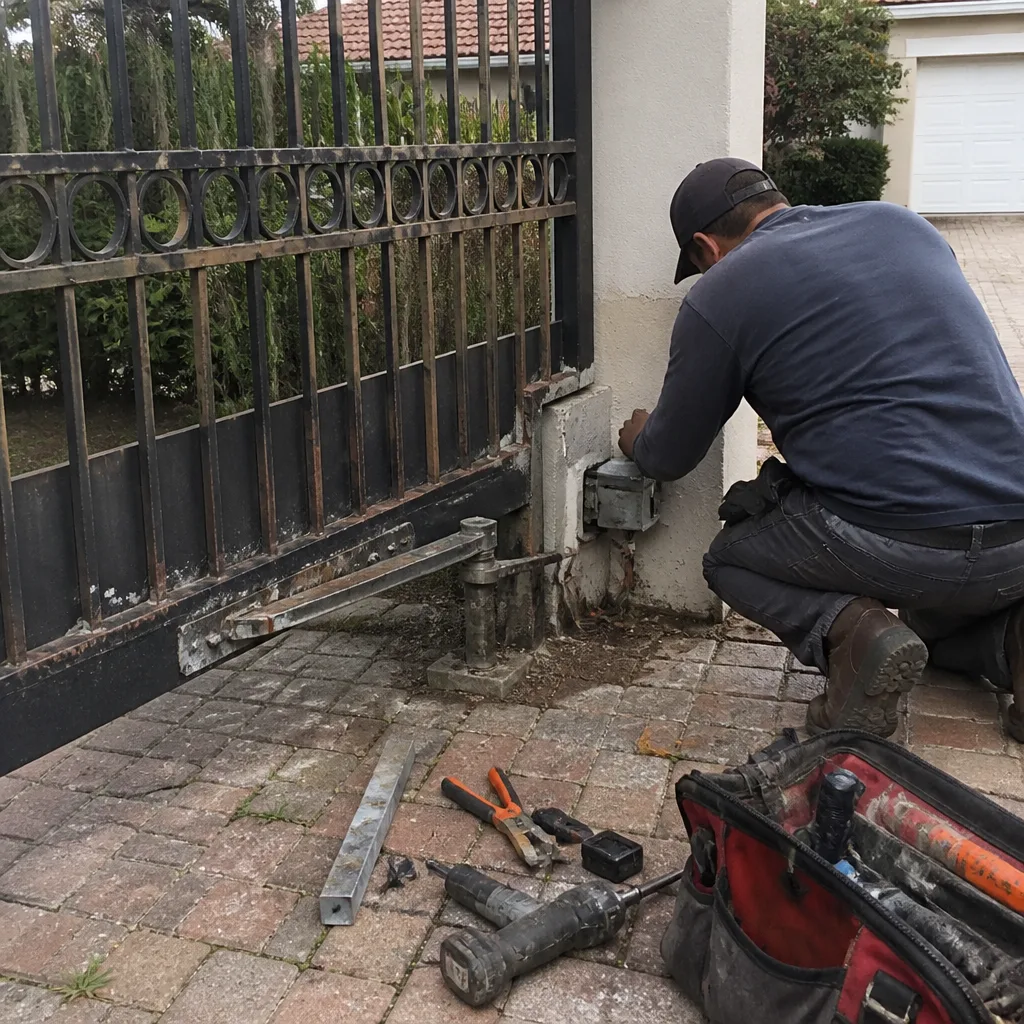 Before
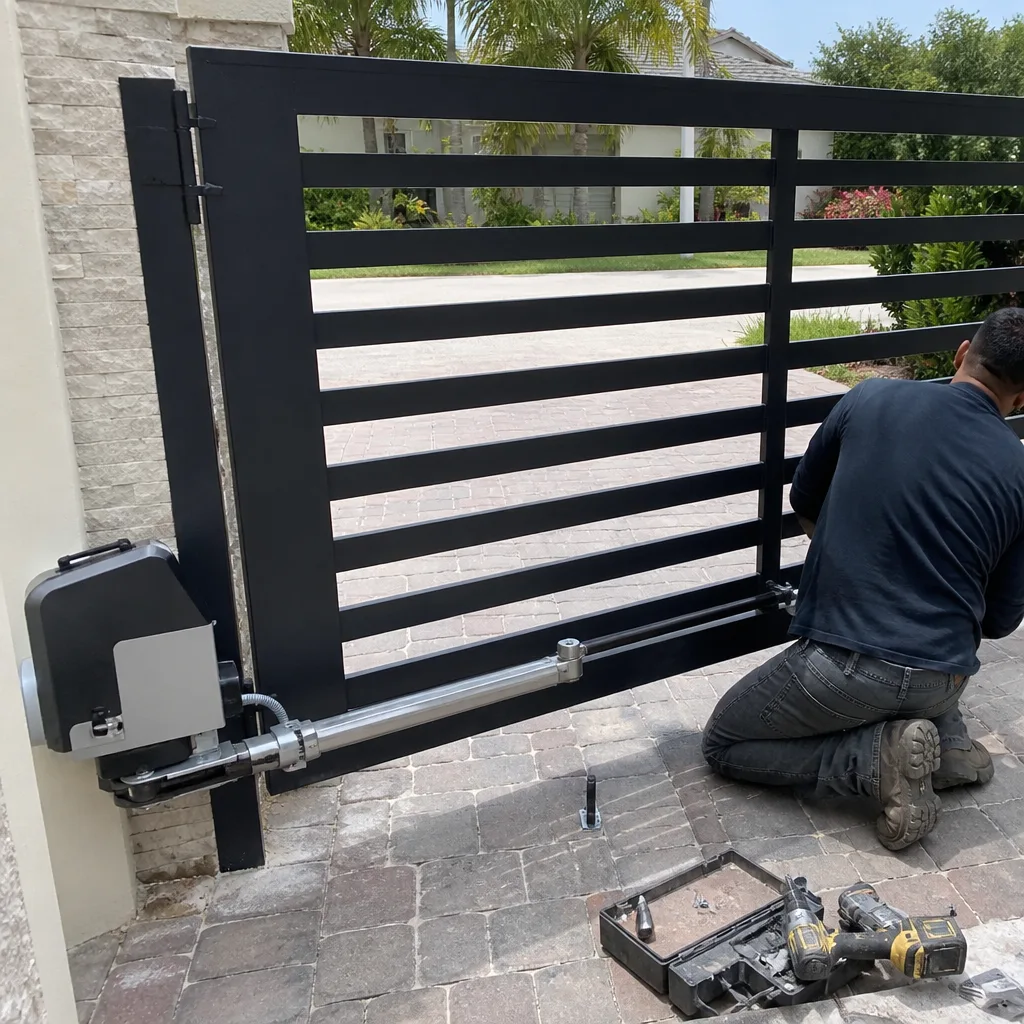 After
AfterWhen to Call a Professional
You should call a gate repair professional the first time you notice any of these warning signs, not after they’ve progressed: a gate that reverses without command, any new noise that persists across multiple cycles, visible sag or tilt, a gate that’s measurably slower than it was, or a gate that failed after a storm. Some of these can be watched for a few days if the pattern is unclear. But grinding, humming-without-movement, and visible post shift are calls to make immediately.
There’s also no downside to calling for an assessment. Warden Gate Repair Fort Lauderdale offers free estimates for gate repair in Fort Lauderdale. Call (754) 354-9065, describe what your gate is doing, and you’ll get a real conversation with a live person plus a written price before any work starts. Even if the call ends with “watch it for another week,” you’ll have the information you need to make the right call when the time comes.
Frequently Asked Questions
Gate repair in Fort Lauderdale typically ranges from $150 to $450 for common fixes like photo-eye realignment, capacitor replacement, or limit switch adjustment, while control board replacements generally run $400 to $900 depending on the brand and model, and full motor replacements start around $800 and go up from there. These are the ranges we quote in Fort Lauderdale, and your written price from Warden Gate Repair is always confirmed before any work starts. Call (754) 354-9065 for an exact quote on your specific gate.
Yes, most common gate repairs in Fort Lauderdale can be completed same day or next day once we diagnose the issue, and our live-person phone line at (754) 354-9065 answers 24/7 so you’re never leaving a voicemail during an emergency. Give us a call and tell us what your gate is doing; we’ll tell you honestly whether it’s urgent or whether it can wait.
A gate that opens but won’t close almost always points to a safety sensor issue: the photo-eyes are misaligned, dirty, blocked by foliage, or blinded by direct sunlight, and the gate is refusing to close because it thinks something is in the path. The Fort Lauderdale angle on this is the low afternoon sun hitting the receiver, which we discussed in detail earlier. Clean and realign the sensors first, and if the problem persists, the receiver or the board may need replacement.
We provide factory-trained service on nine major gate and opener brands: LiftMaster, FAAC, BFT, Linear, Viking, Ghost Controls, DoorKing, Elite, and Mighty Mule. If your gate is one of these brands, we carry or can source the correct parts. For full details on brand-specific repair, see our gate motor repair page for Fort Lauderdale.
In Fort Lauderdale’s salt air and heat, a well-maintained gate motor typically lasts 7 to 10 years, while a motor on a gate within a mile of the ocean may need replacement in 5 to 7 years even with good maintenance. The single biggest factor we see in shortened motor life is ignoring the warning signs this guide covers: a slowing gate, a noisy motor, and a gate that’s fighting against misaligned hardware all accelerate wear dramatically.
After a Fort Lauderdale storm, first check your circuit breaker and the gate’s dedicated power switch, then try the manual release to open the gate by hand so you’re not trapped in or locked out. Then call (754) 354-9065. Storm-related gate failures usually involve surge damage to the control board or a photo-eye knocked out of alignment, both of which are repairable, but the faster you address the issue, the less secondary damage occurs.
The Bottom Line
Your gate tells you when it’s failing. The problem is that its warnings are quiet: a reversal that happens once, a gate that’s a few seconds slower, a hum that wasn’t there before, a tilt you might not notice unless you’re looking at the gate from straight on. Fort Lauderdale’s specific conditions, from salt air to afternoon sun to canal-adjacent soil, create predictable failure patterns that are easy to address early and expensive to ignore. The homeowners who avoid the worst-case emergency failures are the ones who treat small, intermittent symptoms as information rather than coincidence. If your gate is showing any of the signs in this guide, call (754) 354-9065 for a free estimate. A conversation costs nothing, and it might be the difference between a $200 fix today and a $2,400 replacement next month.
Written by Cole Rafferty, Owner at Warden Gate Repair Fort Lauderdale, serving Fort Lauderdale since 2008.